Trains in Japan with a kid: is it actually easy?
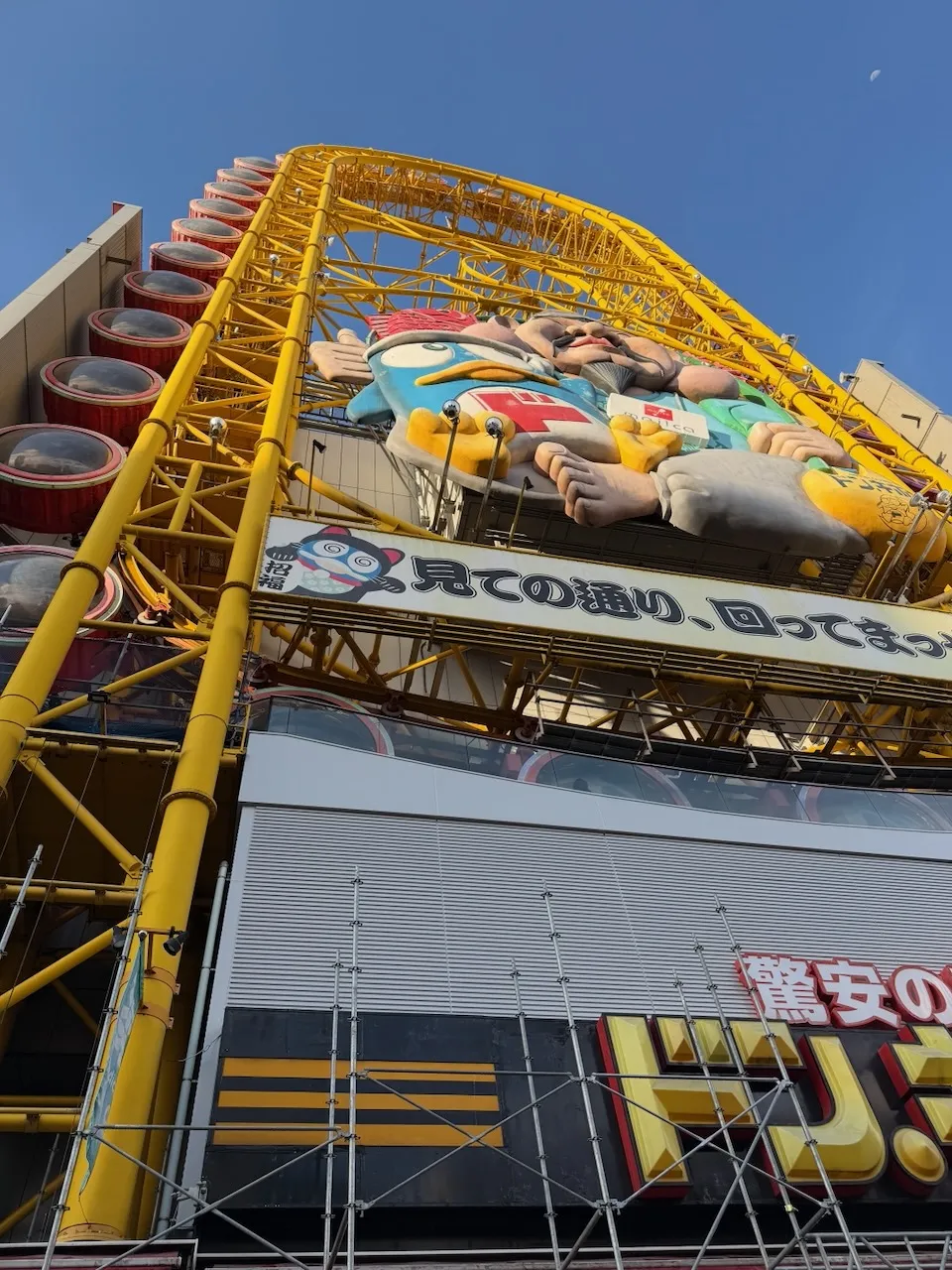
Yes, once you know three things: get an IC card for everyone, follow line colors and numbers instead of names, and check the exit number before you leave a station. We used trains and the subway every day in Osaka and Tokyo with our 9-year-old and never needed a car.
| Car | none, the whole trip |
|---|---|
| Cities by train | Osaka, Himeji, Kyoto, Tokyo |
| Cards | IC cards, tapped at every gate |
| Our son's job | finding the line color and the exit |
How we got around
No car, no tour bus. In Osaka and Tokyo we used local JR trains and the subway every day, plus the Shinkansen for the long jumps. On our biggest Tokyo day we went from Shinjuku to Tokyo Tower, Azabudai and Shibuya by train and on foot, and never waited more than a few minutes.
IC cards first
IC cards are rechargeable travel cards you tap at the gate. The JR card in the Osaka area is ICOCA, in Tokyo it is Suica, and they work in both. You can also pay with them at vending machines and convenience stores, which kids love.
- Adults: buy at any station machine, top up with cash.
- Kids aged 6 to 11: get a child card at a ticket office, so the gate charges a child fare. Bring the passport.
- Phones: some phones can hold an IC card in the wallet app. Check before the trip.
Follow colors and numbers
Every line has a color and a letter, every station a number. “Orange line, M, station 17” is easier for a 9-year-old than a long Japanese name, and the signs use the same system everywhere. Our son took over this job by day three.
Big stations and exits
Stations like Osaka-Umeda and Shinjuku are small cities, with underground malls, many lines and dozens of exits. The exit number decides where you come out. We started checking the exit before every trip, and we got lost much less.
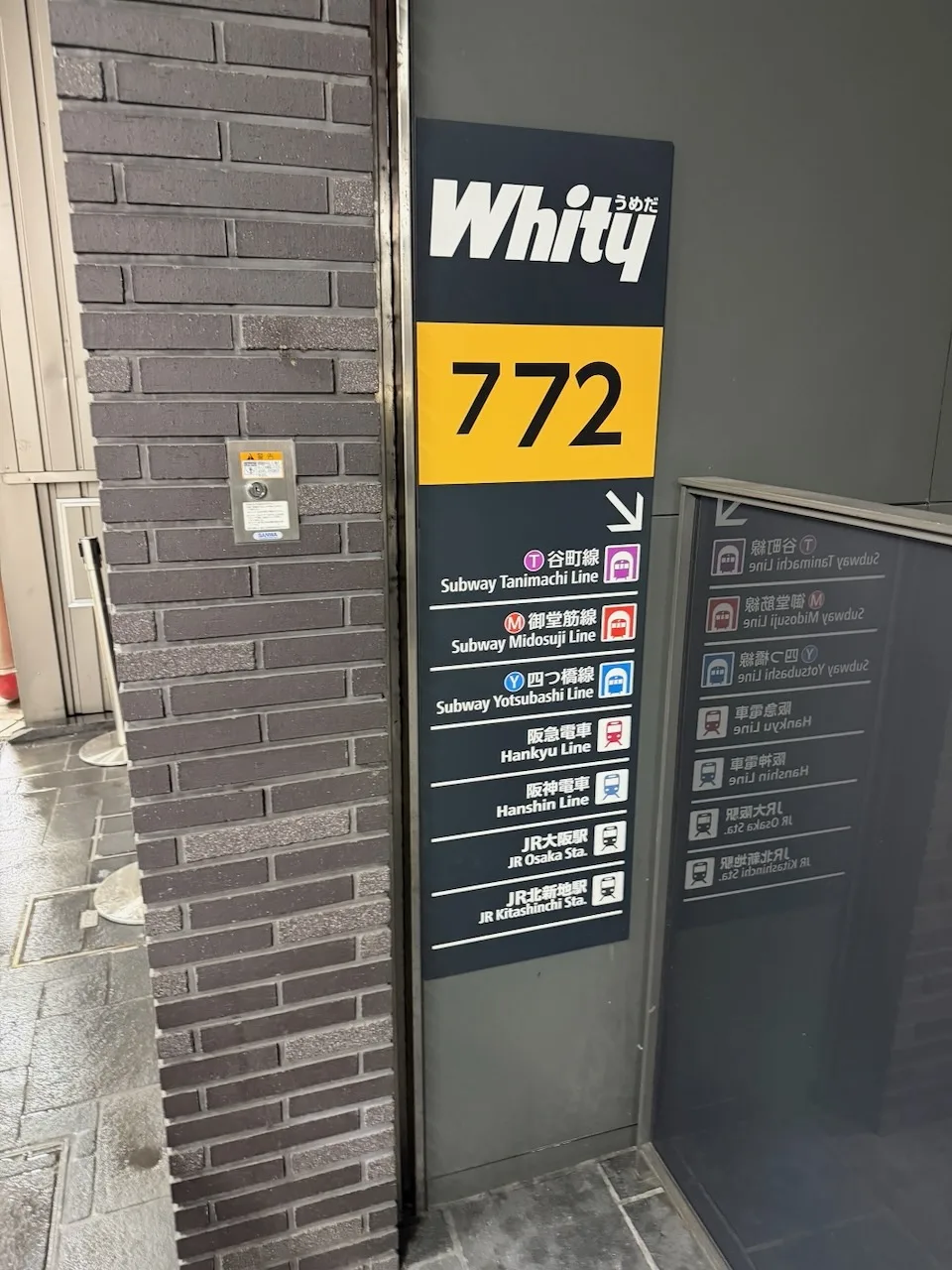
On our first full day we explored the Umeda underground on purpose, with no plan. It was a good way to learn how Japanese stations work before we needed them on a busy day.
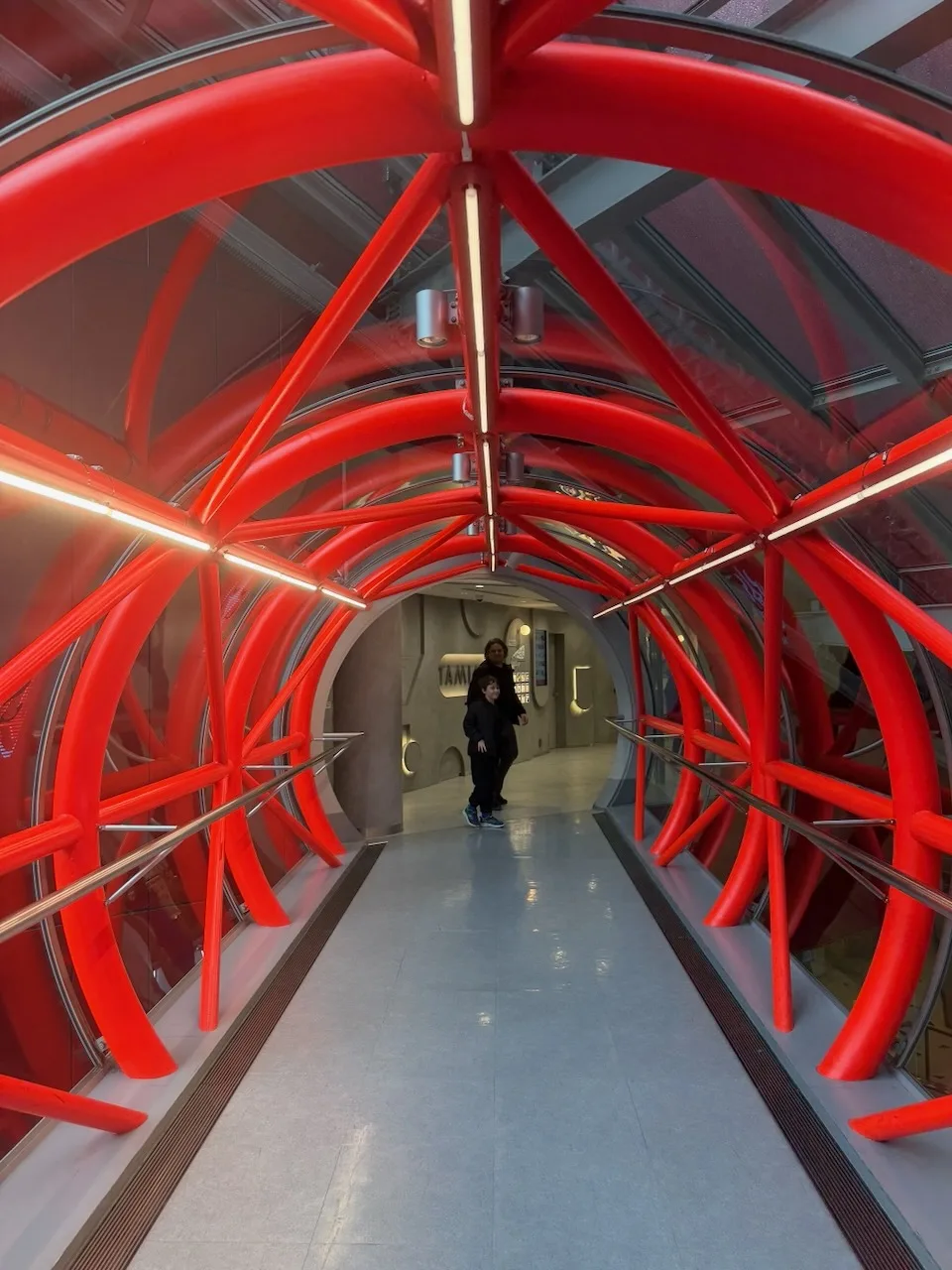
Train manners kids pick up fast
- Line up at the marks on the platform and let people out first.
- Quiet voices, no phone calls.
- Priority seats near the doors are for older people and those who need them.
- No eating on local trains. The Shinkansen is different: food is part of the trip.
Rush hour
Tokyo’s morning rush, roughly 7:30 to 9:30, is packed. With a kid we started later, around 10, and that worked well. The evening rush is lighter but still busy.
Taxis
We used a taxi for the last part of a day now and then, when the hotel was far from the station or our son was simply done. Japanese taxis have automatic doors, and drivers do not expect tips.
Before the trip
Read Kansai Airport to Osaka if you are landing there, and what I wish I had known for the other small things.
Official links
What we'd do differently
- We would get a child IC card for our son on day one at a ticket office, so he pays child fares on every ride.
- We would avoid trains between about 7:30 and 9:30 am in Tokyo. Rush hour is not for suitcases or small people.
Where to stay in Japan with kids
By area, not by hotel. We don't rate hotels.
- Osaka, Namba: Dotonbori and street food at the door, direct trains to Kansai Airport.
- Osaka, around Osaka Station or Shin-Osaka: Fast starts for day trips to Kyoto and Himeji.
- Tokyo, Shinjuku: The biggest train hub in Tokyo, lots of choice, Omoide Yokocho five minutes away.
- Tokyo, Shibuya: Right by the crossing. Busy and bright, kids usually love it.
The Holiday Deck
150 cards to play during the trip: play, talk, notice, chaos, photo and dare.
Questions parents ask
Do kids need their own IC card in Japan?
From age 6, kids need a ticket. A child IC card charges child fares and must be bought at a ticket office. Kids under 6 usually ride free with an adult.
Can you use Suica in Osaka, or ICOCA in Tokyo?
Yes. The main IC cards work across the big regions for trains, subways, buses, vending machines and convenience stores.
Is the Tokyo subway easy with kids?
Easier than it looks. Every line has a color and a letter, and every station a number. Follow those, not the names, and use a map app for the route.
Are Japanese trains crowded?
At rush hour in Tokyo, very. Outside the morning and evening rush, we usually found seats or at least space to stand together.
Are train stations stroller friendly in Japan?
Big stations have elevators, but they can be far from your platform. Look for the elevator signs and allow extra time.
Can kids eat or talk on local trains?
Quiet talking is fine. People do not eat on local trains or talk on the phone, so we kept snacks for the platform or the Shinkansen.
Written from our own trip. We use AI to help with writing and checking; every fact, number and photo is from our family. How we write